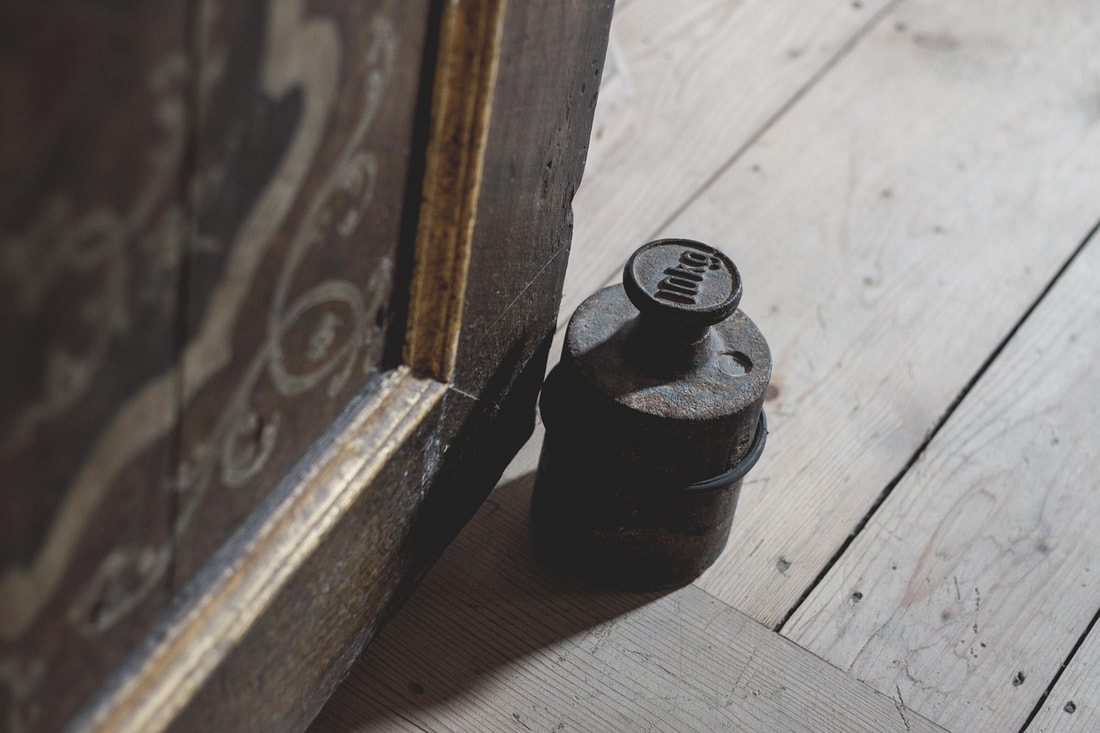
So, a door stopper – you might also call it a door wedge – is just something you use to keep a door open, keep it from slamming shut, or save your walls from getting banged up by the door handle.
Why Use One?
* Stops damage: Keeps the door handle from making holes in the wall.
* Open doors: Good for when you want some fresh air, or you're moving stuff, or for the pets.
* Safety: Keeps doors from slamming shut because of the wind.
* Easy to get in: useful for who want to get into a room without hands .
Types of Door Stoppers
They come in a bunch of styles, depending on how they're made and how you put them in:
* Wedges:
* These are the triangle things you just kick under the door.
* Easy to move, and you don't have to install them.
* Hinge-Pin Stoppers:
* These go right on the door's hinge.
* Stops the door at the same spot every time.
* Wall/Baseboard Stoppers:
* Screwed into the wall or the floor.
* Keeps the handle from hitting the wall, mainly.
* Magnetic Stoppers:
* Uses magnets to hold the door open.
* Can stick to the wall or the floor.
* Spring Stoppers:
* Bendy spring that you stick to the wall or floor.
* Cushions the door if it swings open too fast.
* Floor Stoppers:
* Bolted to the floor - stops the door from going too far.
What They're Made Of
* Rubber: Grippy, bendy, good for stopping doors without a bang.
* Metal (steel, brass, etc.): Lasts a while, sometimes pretty.
* Plastic: Cheap and easy to swap out.
* Wood: Old-school look.
* Silicone: Like rubber, but maybe a bit nicer.
What to Think About When You're Buying
* How heavy is the door? You'll need a stronger stopper for bigger doors.
* What's your floor like? Carpet, wood, tile – it matters for how well a wedge will grip.
* How are you planning to us it? Just now and then, or all the time?
* Do you care what it looks like? Get one that matches the room.
* How long do you want it to last?
* How loud is it? Some are quieter than others.
How to Put Them In
* No work needed: Wedges and some magnetic ones just sit there.
* Screws or glue: For wall-mounted, hinge, spring, or magnetic ones.
* Hinge ones: Take out the hinge pin, put the stopper in, put the pin back.
Keeping Them Working
* Wipe them down now and then (especially rubber ones).
* Make sure the screws or glue are still good.
* If the rubber tip wears out, get a new one so it doesn't slide around.
Make Your Own
* Old floor mats can work as wedges.
* Tennis balls, pieces of wood, or corks can stop a door in a pinch.
Why Use One?
* Stops damage: Keeps the door handle from making holes in the wall.
* Open doors: Good for when you want some fresh air, or you're moving stuff, or for the pets.
* Safety: Keeps doors from slamming shut because of the wind.
* Easy to get in: useful for who want to get into a room without hands .
Types of Door Stoppers
They come in a bunch of styles, depending on how they're made and how you put them in:
* Wedges:
* These are the triangle things you just kick under the door.
* Easy to move, and you don't have to install them.
* Hinge-Pin Stoppers:
* These go right on the door's hinge.
* Stops the door at the same spot every time.
* Wall/Baseboard Stoppers:
* Screwed into the wall or the floor.
* Keeps the handle from hitting the wall, mainly.
* Magnetic Stoppers:
* Uses magnets to hold the door open.
* Can stick to the wall or the floor.
* Spring Stoppers:
* Bendy spring that you stick to the wall or floor.
* Cushions the door if it swings open too fast.
* Floor Stoppers:
* Bolted to the floor - stops the door from going too far.
What They're Made Of
* Rubber: Grippy, bendy, good for stopping doors without a bang.
* Metal (steel, brass, etc.): Lasts a while, sometimes pretty.
* Plastic: Cheap and easy to swap out.
* Wood: Old-school look.
* Silicone: Like rubber, but maybe a bit nicer.
What to Think About When You're Buying
* How heavy is the door? You'll need a stronger stopper for bigger doors.
* What's your floor like? Carpet, wood, tile – it matters for how well a wedge will grip.
* How are you planning to us it? Just now and then, or all the time?
* Do you care what it looks like? Get one that matches the room.
* How long do you want it to last?
* How loud is it? Some are quieter than others.
How to Put Them In
* No work needed: Wedges and some magnetic ones just sit there.
* Screws or glue: For wall-mounted, hinge, spring, or magnetic ones.
* Hinge ones: Take out the hinge pin, put the stopper in, put the pin back.
Keeping Them Working
* Wipe them down now and then (especially rubber ones).
* Make sure the screws or glue are still good.
* If the rubber tip wears out, get a new one so it doesn't slide around.
Make Your Own
* Old floor mats can work as wedges.
* Tennis balls, pieces of wood, or corks can stop a door in a pinch.